Research
Every programme begins the same way.
Polgaze runs more than one line of research, and they explore very different questions. What holds them together is not a subject but a method.
Each begins with something observed, becomes a question worth pursuing, and is answered only by evidence. This is how an idea becomes research, how research becomes evidence, and how evidence becomes technology.

01
From observation to question
Research starts with noticing something and refusing to accept it as given. Often it is a behaviour so ordinary that it goes unquestioned — until someone asks why it happens at all, and whether it has to.
A vague curiosity is not yet research. The work of this first stage is to sharpen an observation into a question precise enough to be tested, and honest enough to admit it might have no useful answer.
02
From question to evidence
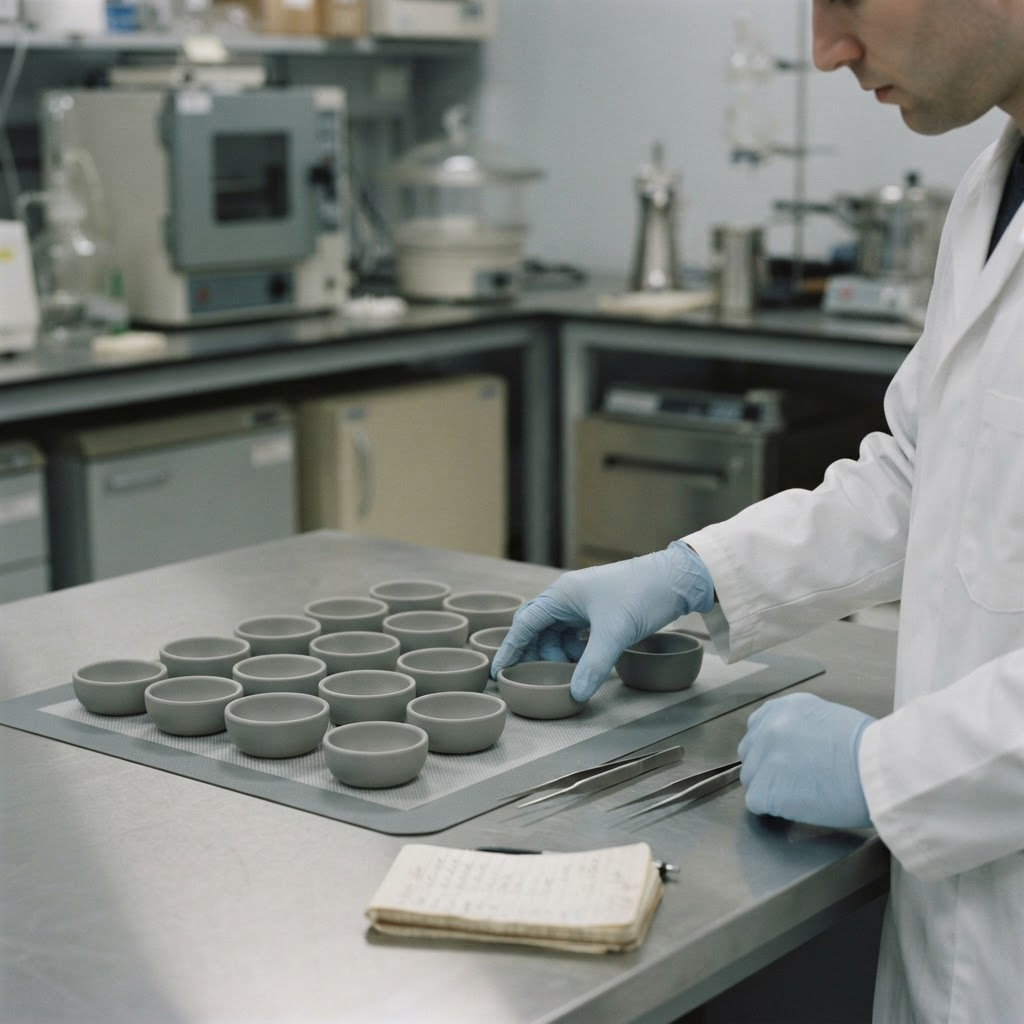
A question is answered by experiment, not by argument. We design tests that could show us we are wrong, build what needs building, and measure what happens rather than what we hoped would happen.
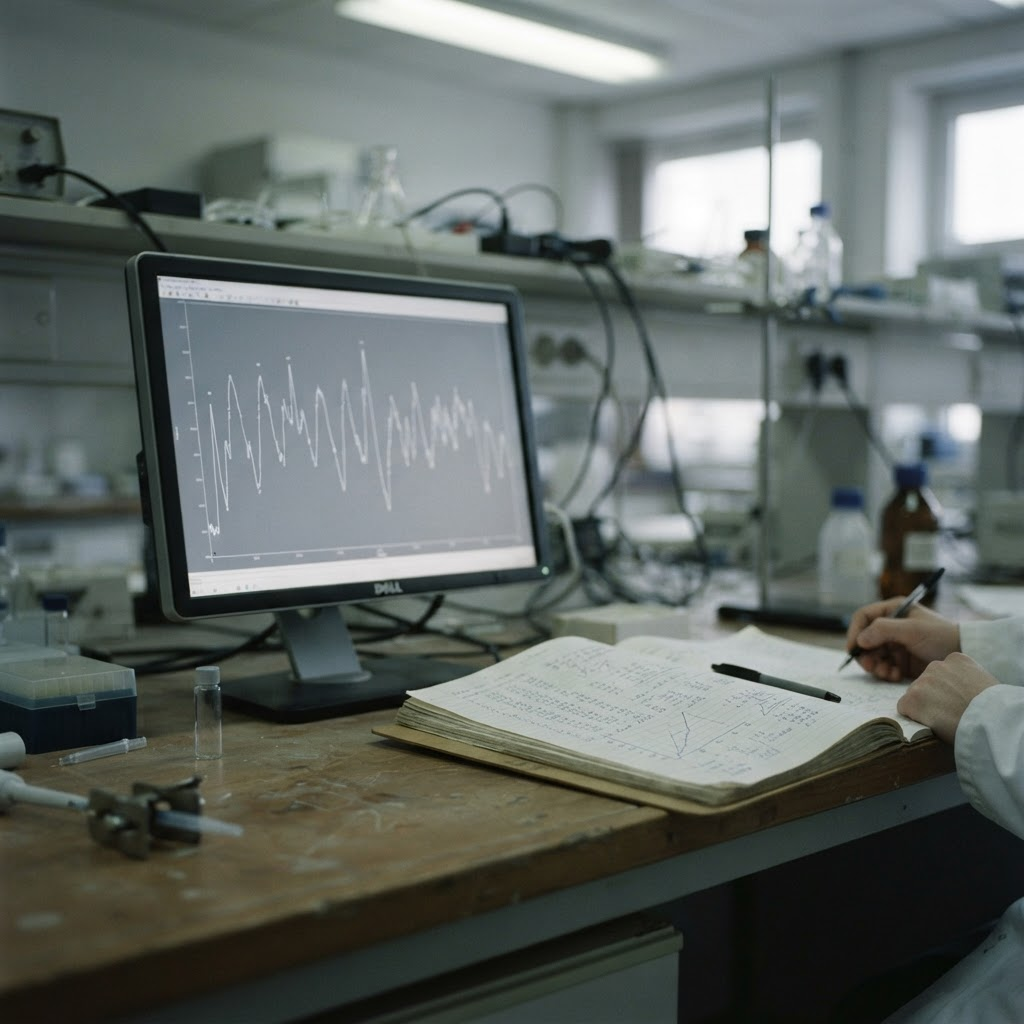
Measurement is where opinion ends. Results are recorded as they are, including the ones that disappoint, because a finding is only worth as much as the honesty of the measurement behind it.
03
From evidence to technology
Evidence rarely arrives complete. Most results raise new questions, and the work moves in iterations — each cycle of testing and measurement narrowing what is true and discarding what is not.
Only once the evidence is consistent and repeatable does a line of research earn the name technology. Nothing is presented as more certain than the measurements allow.
Progress at the pace of evidence
Because every programme is held to the same standard, they do not all move at the same speed. Some questions yield quickly; others resist for years. Each advances only as far as its evidence genuinely supports.
We would rather say plainly what we do not yet know than claim more than we can show. That restraint is not caution for its own sake — it is what keeps the research trustworthy.